
The Ultimate Guide to Electrical Safety at Home


Understanding Electrical Safety
Electrical safety at home is crucial for preventing accidents and ensuring the well-being of your family. Understanding the basics of electrical safety can help you identify potential hazards and take corrective measures. Simple practices can go a long way in keeping your home safe.

Identifying Common Hazards
Common electrical hazards include overloaded outlets, frayed cords, and outdated wiring. Overloading outlets can lead to overheating and fires, while damaged cords expose live wires, increasing the risk of electric shock. Regularly inspecting your home's wiring is essential for maintaining safety.
Additionally, pay attention to the placement of electrical appliances. Avoid placing them near water sources, as water and electricity are a dangerous combination. Ensuring that all equipment is properly insulated is also vital to prevent accidents.
Safety Tips for Everyday Use
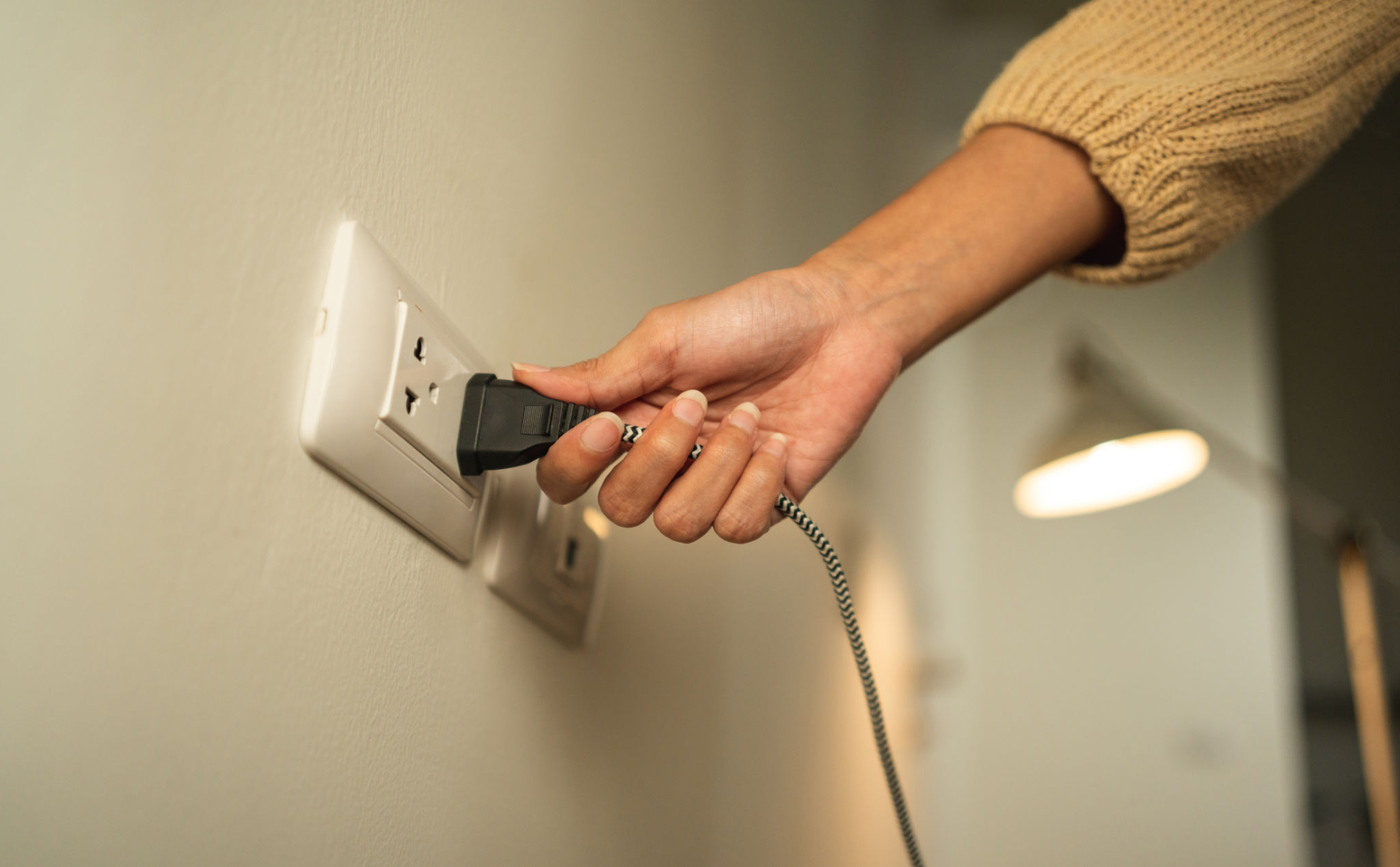
Implementing safety tips in your daily routine can significantly reduce risks. Always unplug appliances when not in use, and avoid running cords under carpets, as this can cause them to overheat. Using the correct wattage for light bulbs and ensuring that outlets are childproofed are also important considerations.
Using Circuit Breakers and Fuses
Circuit breakers and fuses are designed to protect your home from electrical overloads. They automatically shut off the electrical supply when there’s a surge, preventing potential fires. Regularly check these safety devices and replace them if they are worn or malfunctioning.
Consider upgrading your circuit breaker panel if you experience frequent tripping, as this might indicate that your system can’t handle the current load. Consulting with a licensed electrician for upgrades and repairs is always a wise decision.
Proper Installation and Maintenance
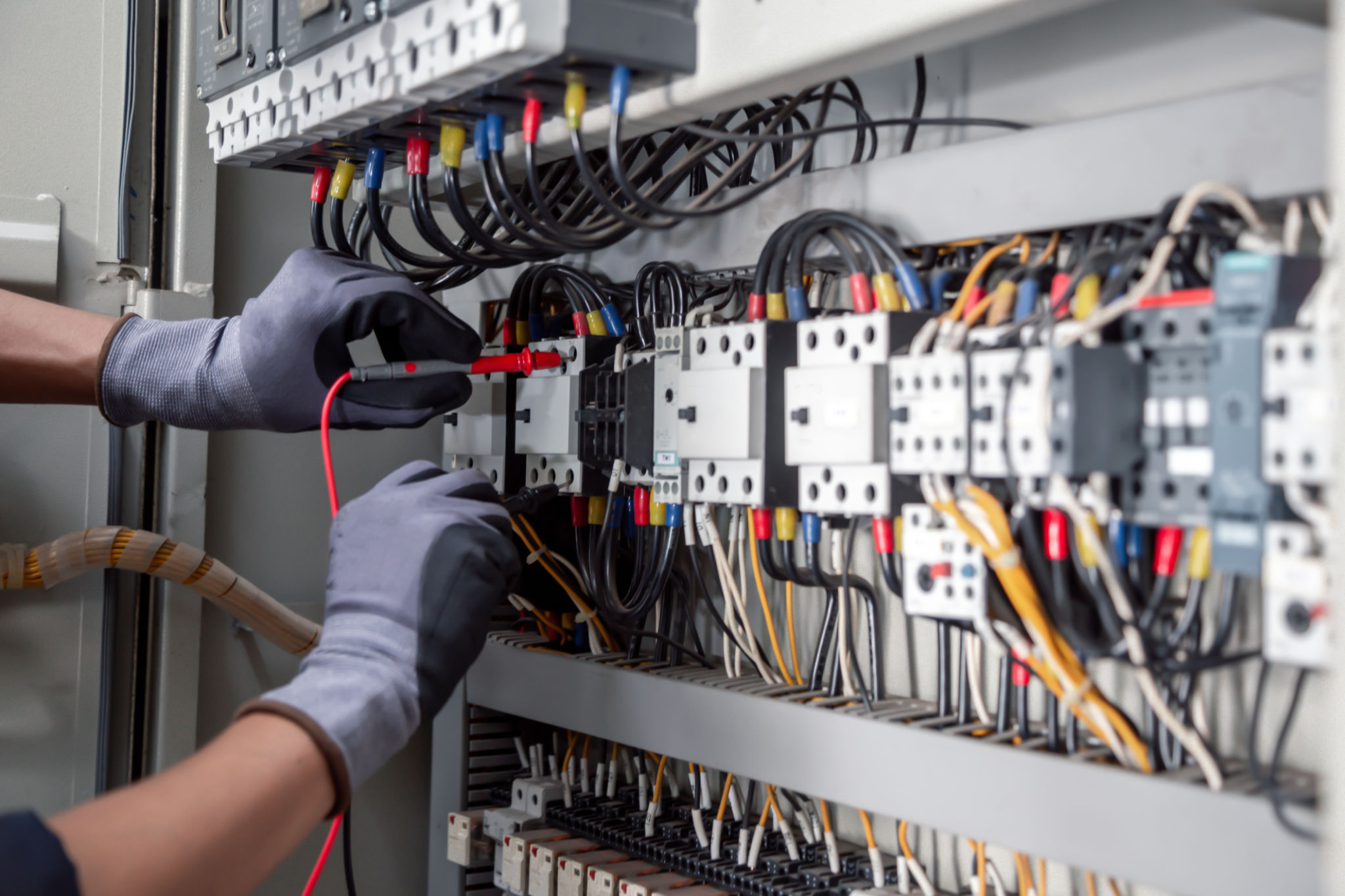
Proper installation and maintenance of electrical systems are vital to ensuring safety. Always hire qualified professionals for any electrical work, and never attempt DIY fixes unless you are knowledgeable and experienced. Routine maintenance checks can also help in identifying issues before they become serious problems.
Educating Your Family
Educating your family about electrical safety is an essential part of creating a safe home environment. Teach children about the dangers of electricity and encourage safe practices, such as not playing with outlets or cords. Having regular discussions about safety measures can reinforce these important lessons.
In summary, electrical safety at home involves a combination of awareness, proper practices, and regular maintenance. By following these guidelines and staying informed, you can create a safer environment for you and your loved ones.